Blog
Writing Craft Advice from Denis Johnson
Press play to listen to a craft lecture by Denis Johnson. In 1999 I had the good fortune to study with one of my heroes, the novelist and short story writer Denis Johnson (Train Dreams, Jesus' Son, The Name of the World, Tree of Smoke, Nobody Move, Seek). This happened at a workshop[...]

Case Study: How One Writer Found the Missing Piece in Her Process
Deborah Willbanks writes thrillers and is transitioning into historical fiction. Book a Strategy Session Case Study: Why Deborah needed a book coach Before working with me, Deborah had received developmental edits on a full manuscript but wasn't confident that she could finish it on her own. "I believed [the[...]
When Spitballing Fails: Writing as the Tool for Discovery
Here's a scenario I see often in my coaching work: A writer has a plot problem. Something isn't clicking—maybe the motive doesn't feel strong enough, or there's a gap in the logic, or a character's actions don't quite make sense. So we talk it through. We throw ideas at the wall. We brainstorm. We spitball.[...]

Writing Group vs Book Coach: What Each Can (and Can’t) Do for Your Novel
A conversation I hear more often than you might think starts like this: “I’m in a writing group I really love. They’re supportive, they understand me, they’re invested in my work… so why do I still feel stuck?” If you’ve ever had that thought, you’re not alone. In fact, many of the writers I work[...]

The Reader’s Backpack: What You Ask Us to Carry
Two essential metaphors that will change how you think about reader engagement. "Call that the banana in the backpack metaphor," I told a writer after explaining why his story opening wasn't working. He'd been telegraphing plot developments before they happened, essentially telling readers what was in the backpack before asking them to be curious about[...]

I’ve Told You to Show, Not Tell. Here’s the Rest of the Lesson
You already know the rule. Every writing teacher, every craft book, every workshop you've ever sat in has said it: show, don't tell. And if you've been working on your writing for any length of time, you've probably internalized it. You've cut the adverbs. You've replaced "she was nervous" with a physical action. You've learned[...]

The Iceberg Principle: What You Know vs. What Your Reader Needs
I was coaching a writer recently who'd done extensive research for his historical thriller. He knew the Ethiopian Jewish community's ancient practices, the Knights Templar's connection to religious artifacts, the details of World War II Italian fascism, and dozens of other historical elements that informed his story. His problem? All of that research was ending[...]

The Hidden Cost of Point of View Shifts: Why Your Reader Capital Matters
Every time you switch point of view in your novel, you're asking your reader to make an adjustment. They have to leave one character's head, reorient themselves, and settle into someone new. This cognitive shift isn't free—it costs something I call reader capital. Understanding this cost, and learning how to minimize it, can make the[...]

You’re Probably Solving the Wrong Problem
Writers come to me all the time with a diagnosis already in hand. "My pacing is too slow." "I think I need to restructure the whole book." I'm not sure where my inciting incident is." "I'm worried I'm boring my reader." They've been thinking about this for weeks, sometimes months. They've read craft books. They've[...]

How Seth Helped a Navy Seal Realize His Writing Dreams
Chris Dugan is a historical fiction writer. Before he started writing fiction, Chris was a Navy Seal and published non-fiction author. Apply for a Strategy Session Case Study The Situation: A Non-Fiction Author Turned Fiction Writer After publishing a non-fiction book, Chris knew that he wanted to focus on writing historical[...]

How Often Can You Ask Your Reader to Jump?
Thank you to Jane Friedman for sharing an earlier version of this post on her blog. I’ve written before about the three kinds of transitions that require connective tissue and how connective tissue builds character through the in-between moments. Both of those posts focus on the same core skill: recognizing the jump and building[...]

The Reader-Writer Curve: What’s Actually on the Page vs. What’s in Your Head
Why writers struggle with the assumption gap—and how to bridge it. [Ideas in this post come from Frank Conroy’s essay “The Writers’ Workshop”—Featured in Dogs Bark, but the Caravan Rolls On.] "I definitely write with assumptions," a writer told me recently. "I assume my reader knows what I'm talking about." He'd just discovered something that[...]

The Revision Hierarchy: From Low-Hanging Fruit to Killing Your Darlings
Why great revision means progressively cutting better and better material. "I wouldn't cut any of this now because I think it's all good," I told a writer after reading his latest chapter. "But if you need to take your whole novel to excellent, or it's already excellent and you need to take it to outstanding,[...]

Stop Varying Your Sentence Starts
There's a sentence structure I see in many developing writers’ work, and when I point it out, they're always surprised — not because they didn't know they were doing it, but because they thought they were doing something good. The structure looks like this: Gripping the railing, she made her way down the stairs. Scanning[...]

Your First Writing Love Shapes Your Voice (And That’s a Good Thing)
There's a moment early in almost every serious writer's development when they fall in love with another writer's work so completely that it rewires how they think about sentences. For me, it was Raymond Carver. I was reading him religiously — story after story, the spare declarative sentences, the working-class interiors, the way he could[...]

Why a Daily Writing Habit Makes Writing More Enjoyable
The surprising relationship between daily practice and creative fulfillment. "The last two stories I wrote were really fun," a client told me recently. "I really enjoyed doing them." Then she paused. "So I'm thinking, well, what would be really fun to do next? That's what I want to do is have fun writing." This writer[...]

How to Focus Your Story: Why Cutting Content Makes Your Writing Stronger
I was working with a novelist who'd written 87,000 words of a historical thriller. He'd done extensive research, created multiple compelling characters, and woven together fascinating historical elements including Ethiopian Jewish traditions, Knights Templar mysteries, and World War II espionage. His problem wasn't lack of material—it was too much material. "There's so much I want[...]
How to Start a Novel: The Fastest Fix for a Weak Opening Scene
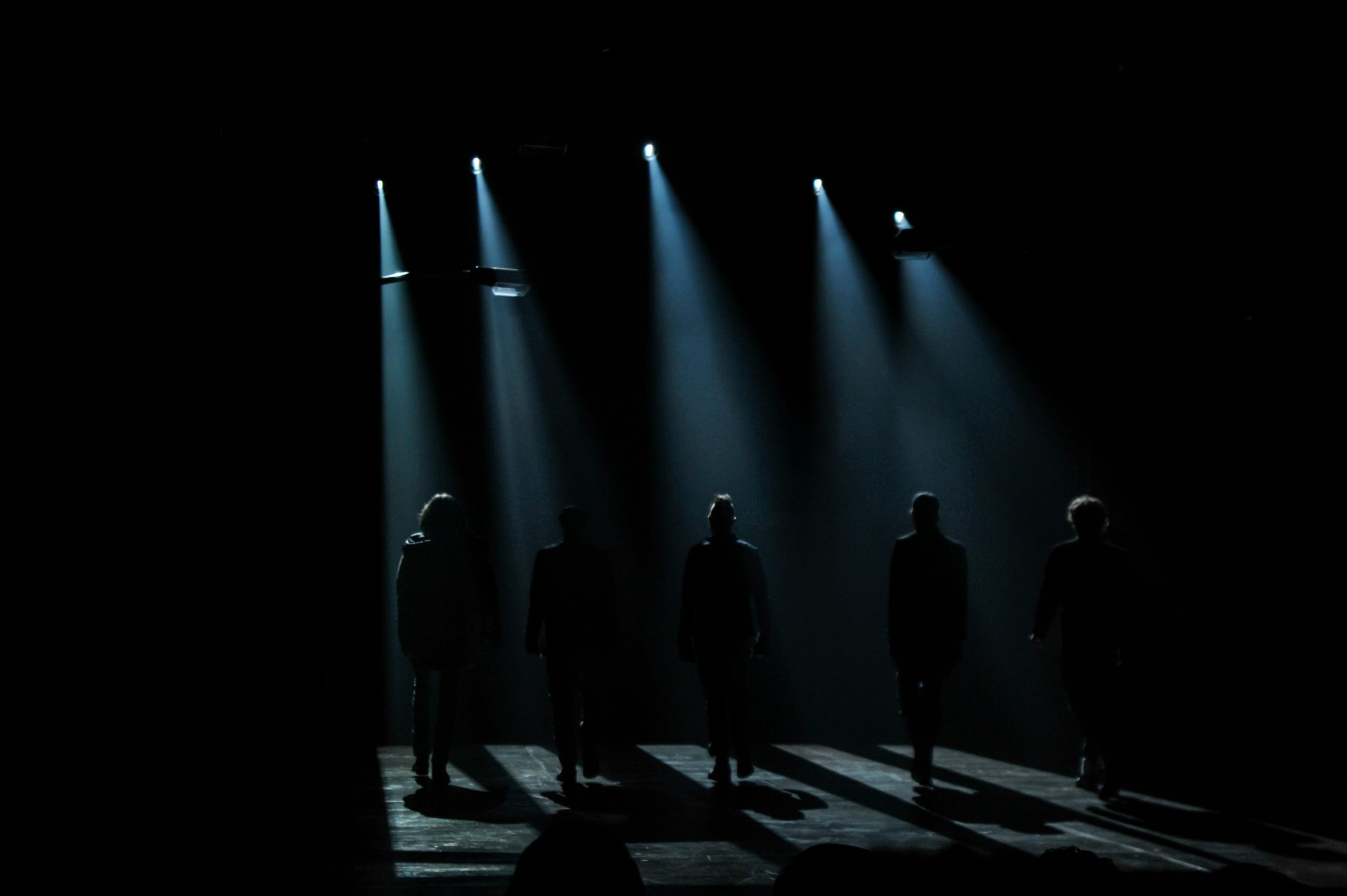
The Play That Started in the Dark The most common problem in opening chapters is also the fastest to fix. It's not your dialogue. It's not your voice. It's not your plot. It's something so fundamental that you probably can't see it on your own — but a reader notices it immediately. Let me explain[...]

Your Character Needs a Body
Immersive fiction depends less on what a character sees and more on what they physically do. A writer sent me the opening pages of her novel recently. The setup was strong — a complicated woman arriving at a place she didn't want to be, surrounded by people who weren't sure she belonged. The atmosphere was[...]

What “Trust the Reader” Actually Looks Like on the Page
The phrase “trust the reader” gets repeated in writing workshops constantly, but it’s rarely defined in practical terms. I was reading a client's chapter recently — a scene where two men sit down to negotiate a backroom deal in 1950s Havana. There's no shouting. No guns on the table. One of them lights a[...]

The Three Rules for Tagging Dialogue (And Why “Said” Is All You Need)
If you’ve ever overthought dialogue tags, you’re not alone. A writer sent me a dialogue scene recently. The conversation itself was strong—sharp, tense, full of character voice. But she'd tagged every single line: "I can't believe you did that," she said. "What was I supposed to do?" he said. "Tell me the truth!" she said.[...]

Stop Burying Your Best Verbs
I wrote recently about the hierarchy in your sentences — the idea that verbs and nouns carry the most weight, and that where you place them in a sentence determines how much force they actually deliver. (If you haven't read that post, it's a good place to start.) Today I want to get more specific,[...]

A New Course on the #1 Thing Writers Struggle With: Revision
Announcing: Revision: From Draft to Structure I just launched a new course, and I'm really excited about it. It's called Revision: From Draft to Structure, and it teaches you the Scenario Method—a proven 3-step system to see your novel's structure clearly and create a concrete revision plan Enroll now for $97 → But before I[...]

Perfect Your Writing Process This Week!
I'm delighted to invite you to a event this week that I think you're going to love. This is an online summit all about the writing process: how to draft with more confidence, how to deal with writer's block, perfectionism, and a wandering mind, how to plan a great scene and an effective revision plan,[...]

Build the Bridge: 3 Kinds of Transitions
Thank you to Jane Friedman for sharing this post on her blog last week. A writer recently told me she was struggling with her memoir structure. She’d written scenes about a difficult period in her life, and she wanted to include a memory from several years earlier that provided important context. “How do I make[...]